

June 12, 2026 — The dark days of the COVID-19 pandemic may have receded, but for some the health effects linger long past the active infection.
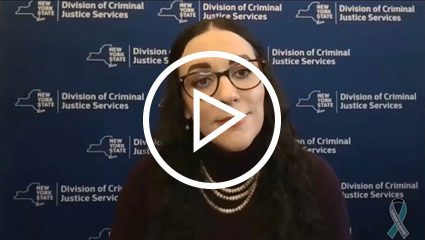
For PEF member Jacklynn Blanchard, educating the public about Long COVID has become an ongoing mission. Blanchard works as a Criminal Justice Policy Analyst at the Office of Data Analytics and Program Support (ODAPS) in the Division of Criminal Justice Services (DCJS). She is a member of the Cultural Inclusion Alliance (CIA) which is headed by DCJS’s Diversity, Equity, Inclusion, & Accessibility (DEIA) team. As part of that work, earlier this year she interviewed Dr. Geeta Sood, a Medical Director in the NYS Department of Health’s Division of Epidemiology. The interview with Dr. Sood is part of a series that includes topics like living with a disability and neurodiversity.
“I believe that a lot of people don’t know that getting COVID can still cause serious harm to their bodies or that Long COVID even exists,” Blanchard said. “Each time you get COVID, you increase your likelihood ofdeveloping Long COVID regardless of if you had symptoms or if you’re an otherwise healthy person. People should know it’s not just affecting immuno-compromised adults or elderly people — it’s actually now the number one chronic illness being diagnosed in kids.”
Long COVID is a chronic condition that can develop after a COVID infection. It can impact multiple body systems and seriously disrupt a person’s life. There are more than 200 symptoms associated with it, but common symptoms include extreme fatigue and brain fog. It is estimated to cost the U.S. billions of dollars annually due to a combination of increased healthcare costs, absenteeism, and reduced productivity.
“COVID never went away,” Blanchard said. “In addition to the risk of Long COVID, COVID can damage our immune systems. People are more likely to develop conditions like Postural Orthostatic Tachycardia Syndrome (POTS) and Mast Cell Activation Syndrome (MCAS) or to suffer from other serious health conditions.”
“As we continue to navigate this, I think it’s important that people have enough information to make informed decisions about their health, and I don’t think that that’s really happening right now,” Blanchard said. “It’s clear that the lockdown period was traumatic for a lot of people and I get that many would prefer not to think about COVID anymore, but I also think that they would probably prefer not to be getting sick all the time,too. Unfortunately, we can’t have both. I think we need to take this more seriously before it gets worse.”
You can view Blanchard’s full interview with Dr. Sood on YouTube. And you can learn more about Long COVID on the DOH website. Other resources are available via the U.S. Department of Health and Human Services and the Centers for Disease Control and Prevention.