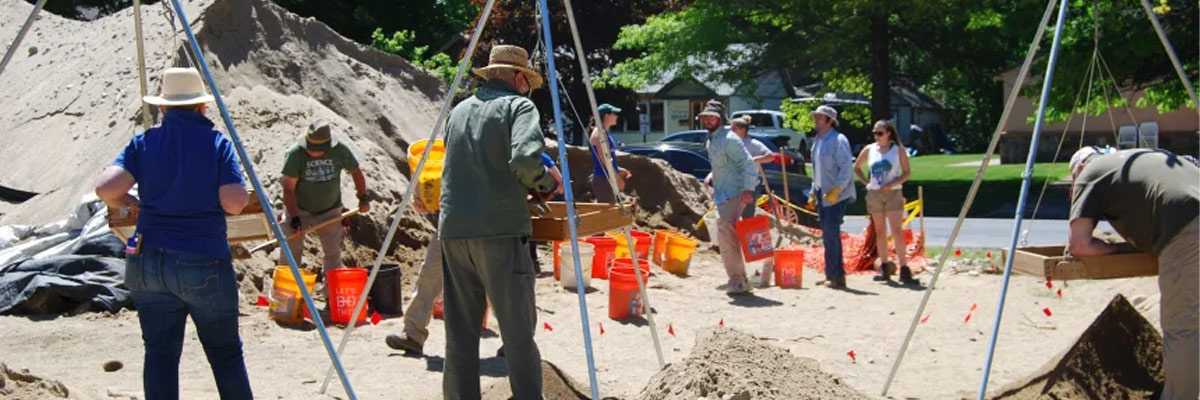
June 12, 2026 — It was a winter day in February 2019 when construction of a housing development in Lake George unearthed numerous unmarked military graves. Members from the New York State Museum and the Department of Environmental Conversation were called to investigate.
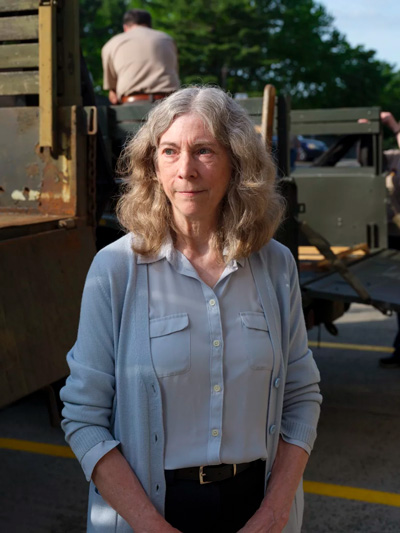
After almost a year and a half, Lisa Anderson — curator of bioarcheology at the New York State Museum and a PEF member for 41 years, along with her team — were able to uncover the remains, screen them, and begin the longer process of identifying them as Revolutionary War remains and preparing them to eventually be returned to their resting place.
“When we got to the site and were trying to decide how to begin, one of the archaeologists found some small buttons that had the Insignia of the First Pennsylvania Battalion,” said Anderson. “That was the only piece of evidence we had that linked this cemetery to the American Revolution. That really prompted everyone to get out there and do the right thing.”
Anderson said the excavation felt especially important given the history. Anderson and her team felt called to push on as the men of the 1st Pennsylvania Battalion would have been called to do.
Despite their name, the regiment served from 1775 through 1783, often in and around New York and New Jersey. A few of the soldiers of the 1st Pennsylvania Battalion would have followed Benedict Arnold into battle in Quebec. According to Anderson, Fort George, which is now Lake George Battlefield Park, was the site of a makeshift hospital Many were exposed to smallpox. The team believes there could be moreunmarked military graves.
Julie Weatherwax is a research collections technician and 13-year PEF member. She said that while she did assist with the initial dig, it became clear as the team uncovered mostly fragments and pieces that her place was in the lab.
“It became overwhelming very quickly. As things would come in the lab, we would do a quick brush clean, sort everything by what elements they are, and after sorting, we would pick which element to focus on first. Like the femur, the big leg bone,” said Weatherwax. “Sometimes the bones were in as many as 30 pieces. They were scattered and eroded. It was disappointing that there was more that wasn’t fully intact.”
Weatherwax shifted her focus eventually to teeth – which led to discovering things about lifestyle, age, and other factors of as oldier’s life.
“We were able to put together 42 dental arcades, which helped us get to a minimum number for this site,” said Weatherwax. “We were able to work down to the wire, just a few weeks before the bodies were reinterred, to get the skull, sets of arms, and sets of legs for three of the more than 40 bodies we were able to get together.”
That mix of frustration and elation is why Weatherwax loves this job.
“It felt really good to make those matches. It’s like a bunch of puzzles all mixed together,” she said.
Alexandra DeCarlo is also a research collections technician. She has been a PEF member for four years. DeCarlo said that following her internship and work as a graduate student assistant with the museum, she knew she wanted to come back and work full-time. Now, she said she feels lucky to be a part of the team.
“I was able to do my master’s thesis on the foot bones from this work,” said DeCarlo. “Once I started here, I began helping out with taking data and preparing the remains for the reinternment. Trying to piece together individual bones and then trying to gather information from that is a once-in-a-lifetime experience.”
While the state already had regulations in place for dealing with remains of a certain age where burial sites are discovered, a new law passed in 2023 includes provisions to call New York State archaeologists if any remains found are more than 50 years old.
“We have always done this sort of work to assist law enforcement,” she said. “And there are so many talented people here at the museum who love doing this work. But to be enshrined into the law and to begin compliance with that law is exciting. We are a small, niche department that most people do not know about, but we are helping the people of this state with something they don’t think about until it turns up in their backyard, pool or park.”
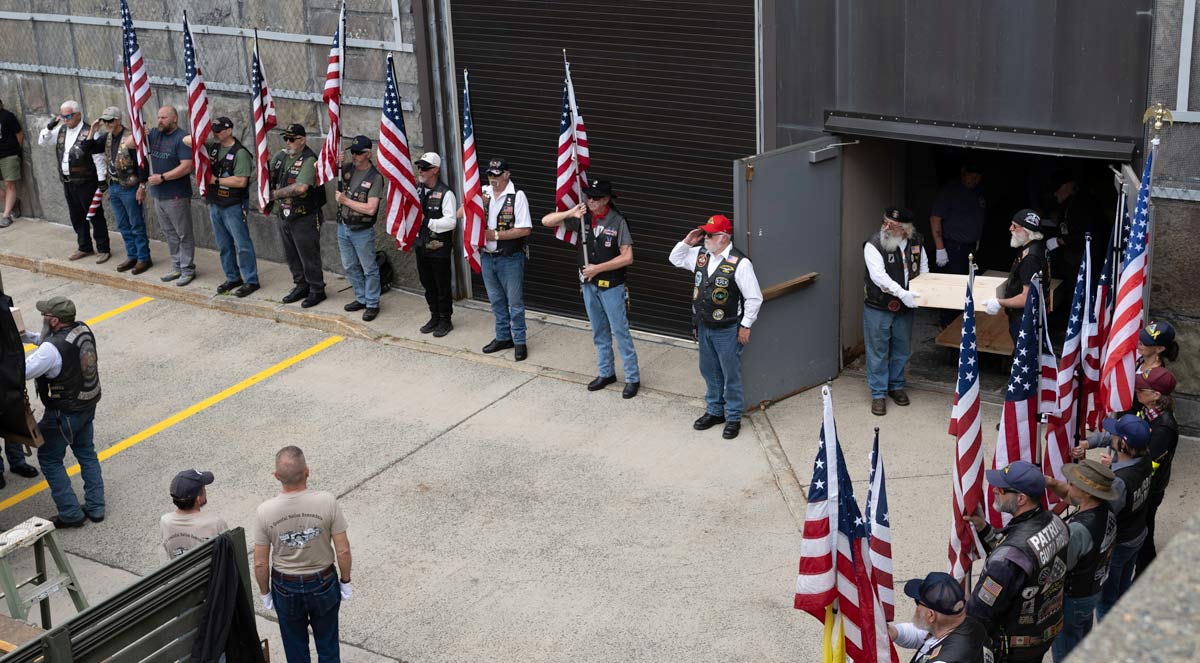
After seven years of work extracting the remains from the original site and reconstructing the bodies, the team prepared the 44 sets of remains to be transported from the New York State Museum to Lake George on May 20. The memorial service called “Repose of the Fallen” took place on May 22. Several members of the State museum team,including Anderson and Research Collection Technician and PEF Executive Board member Mickey Dobbin, were able to attend the ceremony.